











Buch
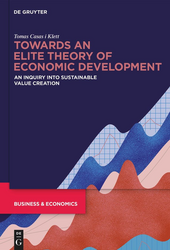
Auf der Website des Verlags haben wir unsere Arbeit so beschrieben: Institutionen sind von Menschen geschaffene Beschränkungen wirtschaftlicher Aktivitäten. Sie entstehen durch das Handeln einer Elite. Dieses Buch nimmt Ideen aus der Wirtschaftswissenschaft, Soziologie, Politik und dem strategischen Management auf. Es stellt eine «Elitetheorie der wirtschaftlichen Entwicklung» vor. Das übergeordnete Ziel ist die Förderung einer nachhaltigen Wertschöpfung auf der Ebene der Geschäftsmodelle der Elite. Diese Arbeit soll auch einen Beitrag zum transformativen Führungsstil leisten. Zudem stellt sie einen Bezug zum jährlichen Elite Quality Index (EQx) her, einem Massstab für die Wertschöpfung nationaler Eliten.
Buch
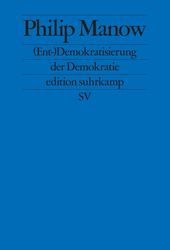
Dieses Buch ist das optimistische Gegenstück zu Levitsky und Ziblatt, etwas anspruchsvoller, aber auch origineller. Manow zeigt, wie die Demokratie zugleich offener und verletzlicher geworden ist: Mehr Menschen beteiligen sich direkt, während klassische Institutionen an Bindungskraft verlieren. Viele heutige Krisen entstehen aus inneren Spannungen zwischen Partizipation und Repräsentation. Damit hilft das Buch, den aktuellen Wandel der Demokratie nicht nur als Verfall, sondern auch als Folge ambivalenter Veränderungen zu verstehen.
Buch
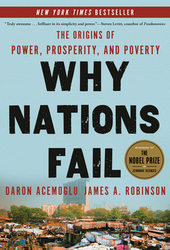
Um die grundlegenden Ziele der Elitetheorie besser zu verstehen, lohnt sich ein Blick auf das mittlerweile klassische Werk der Nobelpreisträger Daron Acemoglu und James Robinson. Die beiden Autoren bringen inklusive Institutionen mit Wohlstand in Verbindung.
Buch
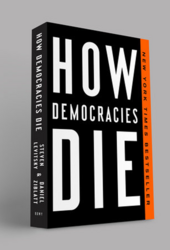
Man muss den Pessimismus dieses Buches nicht zwingend teilen, um seine Bedeutung anzuerkennen. Levitsky und Ziblatt argumentieren, dass heutige Demokratien kaum durch Putsche, sondern durch die schleichende Erosion demokratischer Normen zerfallen. Das Buch kontrastiert aktuelle Entwicklungen in den USA mit der Weimarer Republik und autoritären Tendenzen in Lateinamerika – und schärft damit den Blick für die spezifische Lage der Demokratie in der heutigen Zeit.
Podcast
Ein Namensvetter. Aber dieser Martin Wolf ist ‘Chief Economics Commentator’ bei der Financial Times. Er spricht mit Kenneth Rogoff über Donald Trumps Handelspolitik, die Zukunft des Dollars und was das für andere Währungen bedeutet.
Buch
Wer die Geschichte der Demokratie, die Geschichte Amerikas und die Geschichte des 19. Jahrhunderts besser verstehen möchte, findet in diesem Buch eine Fülle von Anregungen. Tocqueville war ein Aristokrat ohne reaktionäre Allüren, der die Französische Revolution und die Amerikanische Demokratie mit kritischer Distanz analysierte – und dabei besser verstand als die meisten involvierten Akteure. Sein Buch über die Demokratie in Amerika gehört zu den wichtigsten Klassikern der modernen Demokratietheorie.
Buch
Europa ist ein weiterer Schwerpunkt der Elitetheorie. Hier wird die Leistungsfähigkeit des Elitesystems untersucht. Keine Diagnose beschreibt die Herausforderungen des Kontinents treffender als Mario Draghis Bericht «Die Zukunft der europäischen Wettbewerbsfähigkeit» (2024). In diesem Bericht wird Europa mit China und den Vereinigten Staaten verglichen.
Buch
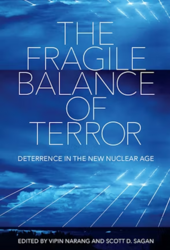
In «The Fragile Balance of Terror», herausgegeben von Vipin Narang und Scott D. Sagan, analysieren renommierte Wissenschaftlerinnen und Wissenschaftler, wie sich die nukleare Landschaft zum Schlechten verändert hat.
Buch
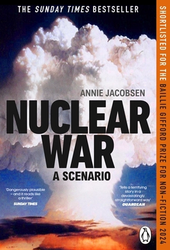
Bis jetzt wusste niemand ausserhalb offizieller Kreise genau, was passiert, wenn ein Schurkenstaat eine Atomrakete auf das Pentagon abschiesst. Sekunde für Sekunde, Minute für Minute, choreografieren diese Protokolle das Ende der Zivilisation, wie wir sie kennen. «Nuclear War» von Annie Jacobsen basiert auf Dutzenden von Interviews mit militärischen und zivilen Fachleuten. Es ist ein fesselnder Sachbuch-Thriller und ein eindringliches Plädoyer, dass wir uns für immer von diesen weltvernichtenden Waffen befreien müssen.
Buch
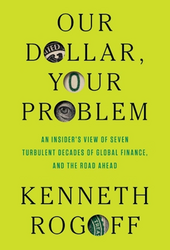
Harvard Professor Kenneth Rogoff zeigt, dass der Niedergang des Dollars schon vor Trump begonnen hat.
Buch
Ein faszinierendes Buch, das den frühen Versuch beleuchtet, die Zukunft mit datengetriebenen Prognosen und Modellen vorherzusagen - lange bevor Big Data und soziale Medien unser Leben dominierten. Jill Lepore entführt uns in die Geschichte der Simulmatics Corporation, die in den 1960er Jahren versuchte, mit der Analyse von Daten die Gesellschaft zu steuern - erst von der 5th Avenue in New York aus fürs kommerzielle Marketing, dann im Wahlkampf 1960 für John F. Kennedy, und irgendwann sogar im Vietnamkrieg. Ihre Geschichte zeigt eindrucksvoll, wie technologische Entwicklungen und die Frühformen der Datenanalyse die politische Landschaft beeinflussten und bis heute unser Verständnis von Demokratie und Macht verändern. Sie zeigt aber auch, wo die Grenzen der Technisierung von Demokratie liegen.
Serie
«We’re steeped in liberal culture» – Wir seien durchtränkt von linksliberaler Kultur, behaupten viele Konservative: Filme, Fernsehen, Musik, alles sei «woke» und «out of touch». Es gibt allerdings Produktionen, die mit Erfolg vor allem auch das konservative Publikum erreichen: Die Neo-Western-Serie «Yellowstone» mit Kevin Costner bedient das Publikum mit Geschichten über Familienbande, Loyalität, Widerstand gegen Staat, den Konflikt zwischen urbaner Küstenmentalität und jene des Nordwestens sowie über die Verbundenheit mit dem Land an sich.
Podcast
Demis Hassabis, CEO von Google DeepMind und Nobelpreisträger, im Gespräch mit Lex Fridman. Ein zentraler Schwerpunkt der zeitgenössischen Elitetheorie ist die künstliche Intelligenz (KI). Aufstrebende Eliten definieren die politische Ökonomie neu. Um die Natur dieser zukunftsweisenden Technologie zu verstehen, hören Sie sich dieses Interview an.
Podcast
Es gibt mehr konservative Podcasts als Zeit, diese alle zu hören. Aber Ross Douthats «Interesting Times» lohnt die wöchentlichen 45 Minuten. Seine Gäste sind mehrheitlich Konservative, einige sehr bekannt wie Peter Thiel und Vizepräsident JD Vance, andere immer bekannter wie eben Oren Cass, oder (für viele von uns) noch zu entdecken wie Verleger Jonathan Keeperman.
Buch
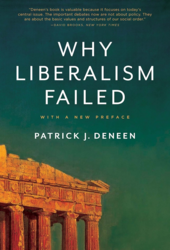
Deneen hat 2018 die für mich noch immer schärfste konservative Zeitdiagnose publiziert. Aus meiner Sicht: Pflichtlektüre. Auch Oren Cass liest sich oft wie ein Echo auf Deneen.

Israel's election: What will it mean for Israeli democracy and society? 20 October 2026 — 14:00 TO 15:00 BST Anonymous (not verified) 12 October 2026 Online Ahead of a key election in Israel on the 27th October, experts assess the forces shaping the campaign and the domestic implications for both Israel and Prime Minister Netanyahu. Ahead of a key election in Israel on the 27th October, experts assess the forces shaping the campaign and the domestic implications for both Israel and Prime Minister Netanyahu. Since the formation of Benjamin Netanyahu’s coalition government, Israel’s politics, society and economy have undergone significant change. The question of national security has dominated the political agenda since the 7 October 2023 attacks by Hamas and Israel’s military offensive on Gaza. However, key domestic issues including accountability, the future of democratic institutions and the role of religion in the state are also on the ballot. The result could have lasting implications for Israel’s political system and broader social cohesion.This event discusses:What issues are shaping Israel’s election campaign?To what extent is the future of Israeli democracy on the ballot?What political scenarios could emerge after the vote?How could the result affect Israel’s economy and social cohesion?To what extent is the question of the conflict with Palestine being addressed by political candidates?
Chatham House
Direct evidence on the effects of financial sanctions remains limited. This column uses correspondent banking data to study how sanctions affect access to global payment networks. The dollar and euro networks offer the most efficient connections to banks in other countries. Furthermore, financial sanctions imposed during 2021-2026 reduced targeted banks’ access to major-currency networks, making it harder for sanctioned institutions to make or receive payments. Non-sanctioned banks in heavily sanctioned countries also lost connectivity to these networks but reoriented towards alternatives, particularly the Chinese yuan. More generally, shifts away from the dollar and towards the yuan remain minimal.
Center for Economic Policy Research
What matters more for sovereign credit ratings – today’s debt or tomorrow’s deficits? This column explores how ratings weigh the two and finds that ratings place much more emphasis on current debt than on projected fiscal deficits. Compared with the implications of a simple model, ratings differ in three important ways: they overweight debt relative to forecast deficits, they understate the effects of the interest rate-growth differential, and they are heavily influenced by other country-specific factors. Countries with the same debt and deficit forecasts can receive extremely different ratings, implying widely different levels of debt needed to reach a given rating.
Center for Economic Policy Research
UN Secretary-General António Guterres has condemned a Houthi missile attack on Riyadh’s main airport that Saudi authorities say killed 12 people and wounded more than 300.
UN News
Jeremy Strong in “The Social Reckoning,” Jesse Eisenberg in “The Social Network” and the real Meta executive are all playing parts. But only one has changed his approach.
New York Times Business
Beirut wurde einst als Paris des Nahen Ostens verklärt und später zum Sinnbild eines nicht enden wollenden Bürgerkriegs. Mounir Zahran legt verschiedene Zeitschichten dieser Stadt frei - eine Spurensuche zwischen Wiederaufbau und neuem Grauen.Von Mounir Zahran
Deutschlandfunk