Podcast
Der vierteilige SRF-Podcast «Alpha Boys» zeigt, wie junge Männer in den Sog der «Manosphere» geraten, in der Influencer wie Andrew Tate Millionen User erreichen. Die Serie führt tief in digitale Communities, in denen Selbstoptimierung und vermeintliche Stärke in Frauenhass und Gewaltaufrufe kippen.
Buch
Ein Buch, das aus gesellschaftlicher Perspektive zeigt, wie das passive Sammeln unserer Verhaltensdaten den Kampf um Privatsphäre prägt. Wenn du wenig Zeit hast, lies direkt Kapitel 8 („Rendition: From Experience to Data“), um zu verstehen, wie unsere realen Erfahrungen unbemerkt erfasst und in digitale Macht umgewandelt werden.
YouTube Video
Ein sehr guter TED-Talk, in dem die MIT-Professorin die physikalischen Grundlagen und das Potenzial von WiFi-Sensing für die Medizin erklärt. Klar und verständlich in der Präsentation.
Studie
Der «World Happiness Report» ist die weltweit führende Studie zum Thema globales Wohlbefinden und dessen Steigerung. Er vereint Daten zum Wohlbefinden aus über 140 Ländern mit Analysen von weltweit führenden Forschenden verschiedener akademischer Disziplinen. Der Bericht zeigt, dass die Lebenszufriedenheit bei geringer Nutzung sozialer Medien am höchsten ist und mit zunehmender Nutzung sinkt. Dies geht aus Daten des Programms für internationale Schülerbewertung (PISA) hervor. Für die Studie wurden sieben Internetaktivitäten von 15-jährigen Schülern in 47 Ländern erfasst.
Artikel
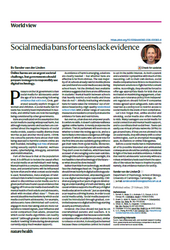
In seinem in «Nature Health» veröffentlichten Artikel argumentiert Sander van der Linden, dass digitale Gefahren eine grosse gesellschaftliche Herausforderung darstellen. Er betont zudem, dass Regierungen Jugendliche darauf vorbereiten müssen, digitale Technologien verantwortungsbewusst zu nutzen.
Artikel
Ein unbedingt lesenswerter Artikel in der MIT Technology Review und ein Überblick darüber, wie sich diese Technologie von Laboren zu Alltagsgeräten entwickelt hat.
Artikel
Ransomware-Angriffe sind ein professionelles Erpressungsgeschäft und nicht nur eine technische Cyberbedrohung. Anhand realer Vorfälle und aktueller Forschungsergebnisse zeigt dieser Artikel auf, wie Angreifer sich organisieren, verhandeln und ihre Opfer unter Druck setzen, damit diese Lösegeld zahlen. Es ist eine leicht verständliche und aufschlussreiche Lektüre für alle, die verstehen möchten, was die heutige Ransomware-Welle wirklich antreibt.
Artikel
Die Autoren dieses zeigen auf, wie sich Ransomware-Angriffe tatsächlich auszahlen, indem sie die Geldflüsse verfolgen. Anhand von Tausenden realer Transaktionen werden zwei unterschiedliche Vorgehensweisen aufgezeigt: einfache, serienmässige Angriffe und hochprofessionelle «Ransomware-as-a-Service»-Operationen, die beide ihre eigene Geschäftslogik und ihre eigenen Anreize haben. Indem der Artikel nachverfolgt, wie Kryptowährungszahlungen über Zwischenhändler geleitet wer-den, vermittelt er den Lesern ein klares und verständliches Bild der Ransomware-Wirtschaft.
Buch
Absolutes Must zu diesem Thema. Internationaler Bestseller mit praxiserprobtem Ansatz für Verhandlungen. Besonders lesenswert, weil: praxisnahe Techniken, psychologischer Ansatz, spannende Stories, vielfältige Anwendbarkeit.
Podcast
Interessante Einblicke in die Verhandlungsführung mit Cyberkriminellen inklusive Insights von einem unseren absoluten Top-Cracks.
YouTube Video
Die Doku zeigt anhand Beispielen aus der Praxis eindrücklich, wie Ransomware-Angriffe heute ablaufen und weshalb sie für viele Unternehmen eine existenzielle Bedrohung darstellen.
The Chinese Communist Party has spent years trying to make “positive energy” the dominant mood of the country’s internet. It’s no longer working.
New York Times Business

Mit 43,8 Prozent erzielt die AfD in Sachsen-Anhalt ihr bislang stärkstes Ergebnis. Für die absolute Mehrheit reicht es jedoch nicht. Die Wahlverliererin CDU steht nun auch im Bund vor großen Problemen. Und eine Partei wird zur Königsmacherin.Von Benjamin Dierks
Deutschlandfunk
Fewer planning careers in academy, nation, and more doubt value of Ph.D. amid policy shifts in funding, international students
Harvard University
MIT anthropologist Chris Walley developed a project for people in Southeast Chicago to tell their histories — an approach any community can adopt.
MIT